September 22, 2026
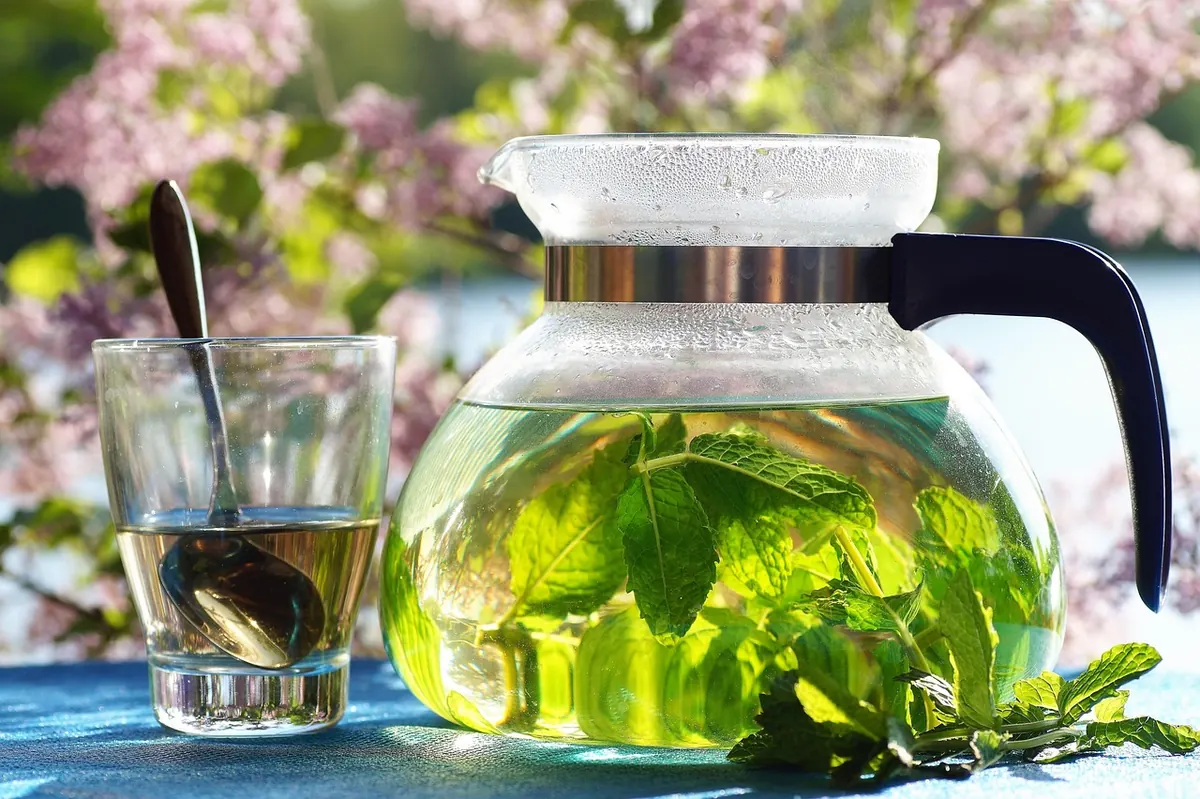
Bitter green tea is rarely the tea's fault. Most of the time it comes down to three things: water that was too hot, more leaf than the water could handle, and a steep that kept going while you checked your phone. Get those three in order and even a modest supermarket sencha tastes sweet, green and clean instead of sharp and drying. The good news is that none of this requires fancy equipment — just a thermometer, a timer, and a little attention the first few times.
Why Green Tea Turns Bitter
Green tea is minimally oxidized, which is what keeps its fresh, grassy character intact. Those same leaves also carry bitter and astringent compounds — catechins, the tannins responsible for that drying sensation, and caffeine — alongside the amino acids that give sweetness and savory depth. Hot water extracts all of them, but it pulls the bitter ones out faster. That is why a green tea hit with rolling-boil water for three minutes tastes harsh, while the identical leaves at 75°C for a minute taste like spring.
Green tea is also usually made from young, tender leaves and buds. They are thin, and thin leaves give up their flavor quickly. Speed is not a flaw in the tea; it is the nature of the leaf, and the brewing method has to respect it.
Start With the Right Amount of Leaf and Good Water
For everyday Western-style brewing, start with roughly two grams of leaf — a rounded teaspoon — per 240 ml (8 oz) of water. That is a working baseline, not a law. Loose leaf takes up more space than you expect, so if you are scooping from a tin, level it off rather than heaping it.
Water matters more than most people admit. If your tap water tastes strongly of chlorine or leaves scale in the kettle, it will flatten the tea. Filtered water with a moderate mineral content is ideal; distilled water tends to brew a cup that tastes hollow. A simple test: if the water tastes good cold, it will brew good tea.
Finally, pre-warm your teapot, gaiwan or cup with hot water, then discard it. A cold vessel drops the temperature of your carefully heated water the moment it hits the leaves, which throws off everything that follows.
Temperature Is the Biggest Lever You Have
If you change only one thing, change this one. Green tea is not a single style, so the target temperature shifts with the leaf:
- Gyokuro and high-grade sencha: 50–60°C (120–140°F). Cool water coaxes out sweetness and umami.
- Everyday sencha, dragon well, most Chinese greens: 70–80°C (160–175°F).
- Genmaicha, hojicha, bancha: 80–90°C (175–195°F). These are sturdier, and the toasted notes hold up to more heat.
You do not need a lab-grade thermometer, though a cheap kitchen one is genuinely useful at first. Without one: boil the kettle, pour the water into a cold mug, then into a second mug, then into your brewing vessel. Each transfer drops the temperature several degrees. Waiting two or three minutes after the boil before pouring does much the same job.
Hotter water does not make stronger tea. It makes faster tea — and usually a more bitter one.
Timing: Short First, Longer Later
Delicate Japanese greens are often ready in 45 to 60 seconds. Chinese greens usually want 60 to 90 seconds. Genmaicha and hojicha can handle two minutes without complaint. Start on the short side, taste, and add time next round.
Two rules save more cups than any temperature chart. First, pour everything out when the time is up — do not leave the leaves sitting in the water, because they keep steeping whether you are watching or not. Second, do not squeeze or press the leaves to get the last drops. That final press releases exactly the bitterness you spent the whole brew avoiding.
If you are brewing in a gaiwan, use more leaf and shorter steeps — 20 to 40 seconds — and expect three or four good infusions, adding 10 to 15 seconds each time.
A Simple Step-by-Step Brew
- Boil fresh water. Reboiled water tastes flat because it has lost dissolved oxygen, so start fresh each session.
- Let it cool to your target temperature, or transfer it between mugs to speed the drop.
- Pre-warm your vessel with hot water, then empty it.
- Measure about two grams of leaf per 240 ml of water.
- Add the water to the leaves, not the other way around.
- Steep for 45 to 90 seconds, depending on the tea.
- Pour every drop into your cup or a second pot.
- Taste before you judge. Then adjust one variable — temperature, leaf, or time — and brew again.
Troubleshooting Common Problems
- Still bitter? Drop the temperature by 10°C, cut 15 seconds off the steep, or use a little less leaf. Change one at a time so you know what worked.
- Thin and watery? More leaf, slightly hotter water, or a longer steep — in that order.
- Drying, chalky finish? That is astringency from a steep that ran long. Shorten it.
- Dull or lifeless? Check the water first, then the tea's age. Green tea fades quickly after opening; store it sealed, dark and cool.
- Your second steep tastes better than your first? Your first steep was too hot or too long. The leaves were simply giving too much too soon.
Trust Your Own Taste
Charts are starting points. The cup in front of you is the final authority, and your palate will tell you more in ten seconds than any guide can in a page. Keep notes for a week — temperature, leaf, time, and one word for how it tasted — and you will find your own numbers quickly. Then you can stop measuring so carefully. Most days, a kettle, a spoonful of leaf and a little patience are all that stand between you and a genuinely smooth cup of green tea.
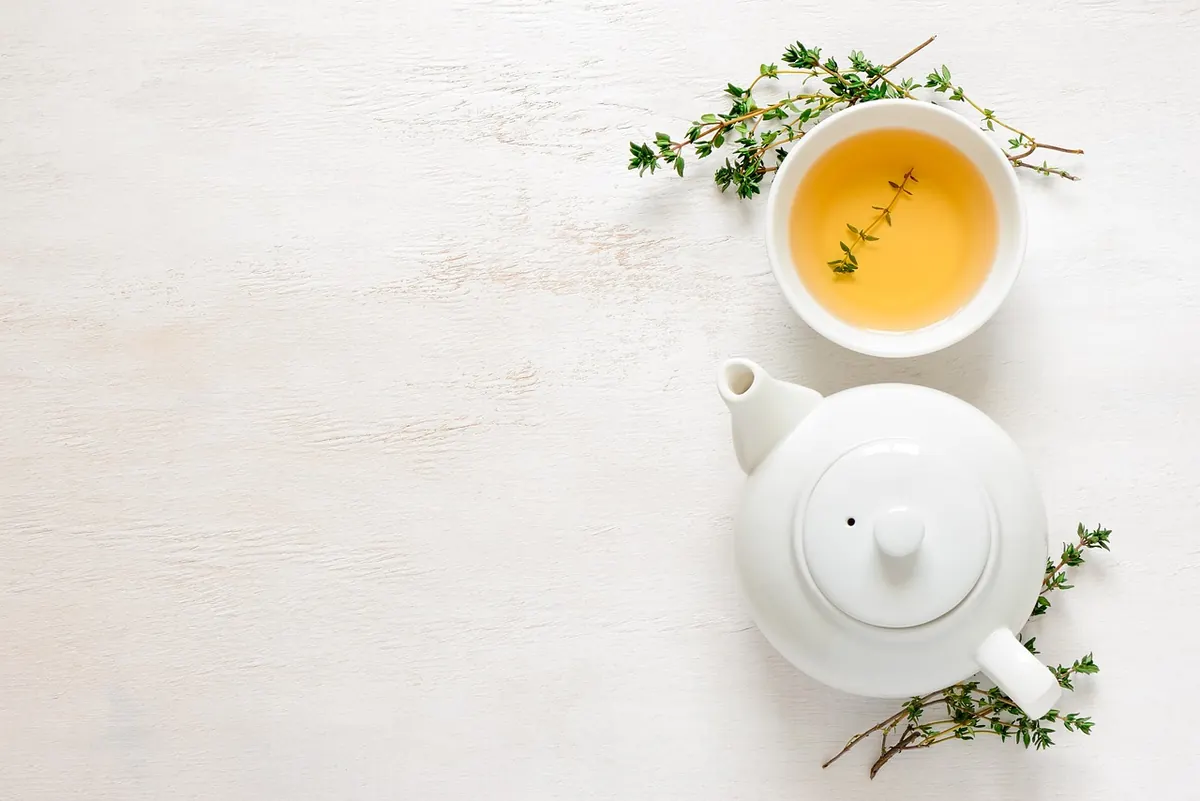
Photo: ivabalk / Pixabay