September 23, 2026
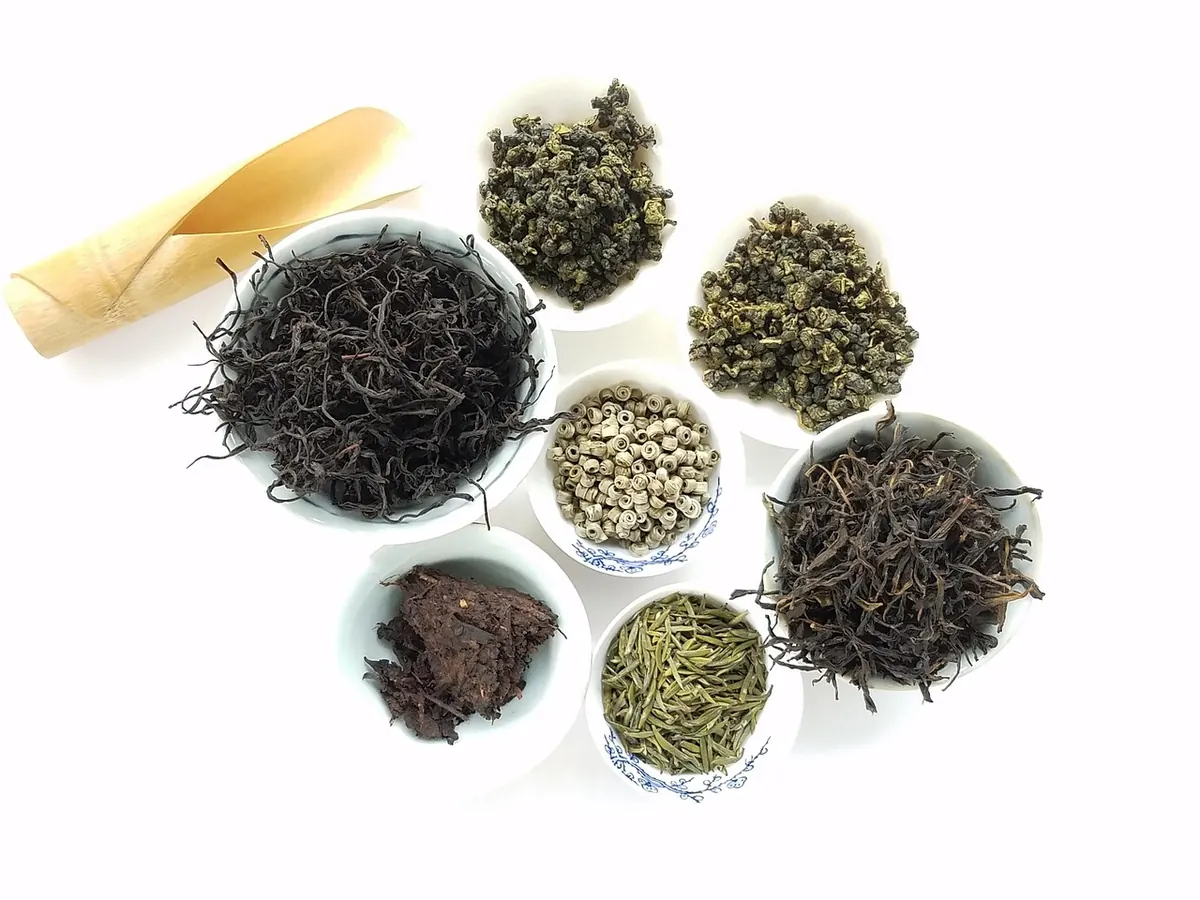
Order an oolong at a good tea shop and you might get a pale, lilac-scented leaf that brews like a delicate green tea — or a dark, twisted one that tastes of cocoa, roasted nuts and dried stone fruit. Both are oolong. The category covers an enormous range, which is exactly why it rewards a little study.
Two variables do most of the work: how much the leaves oxidise, and how much they are roasted. Understand those two dials, and you can walk into any tea shop and know what you are buying.
Oxidation: The Dial That Decides Almost Everything
Oxidation begins the moment tea leaves are bruised or tumbled after picking. Enzymes meet oxygen, the leaf darkens, and fresh grassy notes give way to something else — floral, fruity, honeyed or woody, depending on how far the process runs.
Green tea is heated almost immediately, so oxidation barely starts. Black tea is allowed to run nearly to completion. Oolong sits between the two, usually somewhere from roughly 10 to 70 percent. That single variable explains most of the difference between an oolong that pours pale gold and one that pours deep amber.
Light Oolongs: Floral, Creamy, Easy to Love
Light oolongs are oxidised around 10 to 30 percent and usually roasted little, if at all. Taiwanese bao zhong, modern "jade" Tieguanyin and high-mountain teas such as Alishan and Shan Lin Xi belong here. Expect lilac, gardenia, orchid, fresh cream and a sweet, lingering finish.
These are the most delicate oolongs and the least forgiving of clumsy brewing. They also fade faster than the darker styles, so drink them within a year and keep the pouch well sealed.
Medium Oolongs: Where Balance Lives
Medium oolongs — roughly 30 to 50 percent oxidation — are where the category gets comfortable. Dong Ding from Nantou, traditionally made Tieguanyin and many Phoenix dan cong sit here. The florals are still present but joined by honey, toasted grain and stone fruit.
These teas are sturdier, easier to brew and generally hold up better in storage than the light styles. If you only want one oolong in the house, a medium roast is a sensible pick.
Dark Oolongs: Roasted, Deep, Sometimes Smoky
Dark oolongs are oxidised 50 to 70 percent and often roasted afterwards. Da Hong Pao, dark-roast Tieguanyin and many dan cong fall into this group. The flavours move toward cocoa, dark caramel, sandalwood and wet stone, with a texture that coats the mouth. They stand up to food and to long conversations.
One useful exception: Oriental Beauty is heavily oxidised but barely roasted, so it tastes of honey and muscat rather than toast. It is a good reminder that oxidation and roasting are separate dials, not one sliding scale.
Roasting: The Second Dial
After oxidation, leaves are dried and then slowly heated — sometimes over charcoal, sometimes for hours at a stretch, sometimes in several passes over weeks. Roasting drives off moisture, transforms sugars, softens bitterness, adds warmth and toasty depth, and extends shelf life.
Light roasts keep the character of the leaf intact. Medium roasts bring in caramel, toasted rice and a rounder body. Heavy roasts push toward cocoa, charcoal and mineral notes, and occasionally a faint smokiness that settles down after a few months of rest.
Roast changes over time, too. A heavily roasted oolong often tastes sharper when fresh and becomes smoother, sweeter and less smoky after six months to two years in storage.
Matching a Style to Your Taste
If you already know what you like, use it as a compass:
- You drink jasmine green tea or delicate white tea → start with a light, unroasted oolong such as bao zhong.
- You like honeyed black tea → try a medium-oxidised oolong or Oriental Beauty.
- You like coffee, dark chocolate or toasted nuts → go straight to a heavy roast.
- You want one bag that covers both moods → buy a medium roast and change the brewing temperature.
- You are unsure → buy a small amount of a light and a dark, and taste them side by side.
Brewing Tips That Actually Change the Cup
Oolong rewards a little attention. Use more leaf and less time than you would with black tea.
- Leaf: about 5 grams per 150 ml of water.
- Water: 85–90°C for light oolongs, 95–100°C for medium and dark.
- Rinse: a quick five-second rinse wakes the leaf and warms the vessel.
- Steeps: 20–30 seconds for the first infusion, adding about 10 seconds each time. Five to eight infusions is normal.
- Water quality: soft, filtered water lets the aromatics through; very hard water flattens them.
When a light oolong tastes bitter or thin, brew it cooler and shorter next time. You can always add heat and time on the following infusion; you cannot take them back.
Start With Two, Then Follow Your Cup
Buy a small amount of one light oolong and one dark or heavily roasted one. Brew them on the same day, with the same leaf-to-water ratio, and notice which cup you finish first. That instinct is more useful than any chart.
Store oolongs airtight, away from light, heat and strong spices. Roasted styles hold up for a year or more; light ones are best within six to twelve months. All tea contains caffeine, and the amount varies with the leaf, the dose and the steep time, so if caffeine affects your sleep or health, keep the first steeps short or ask a healthcare professional what suits you.
Photo: farwestteatraders / Pixabay