October 05, 2026
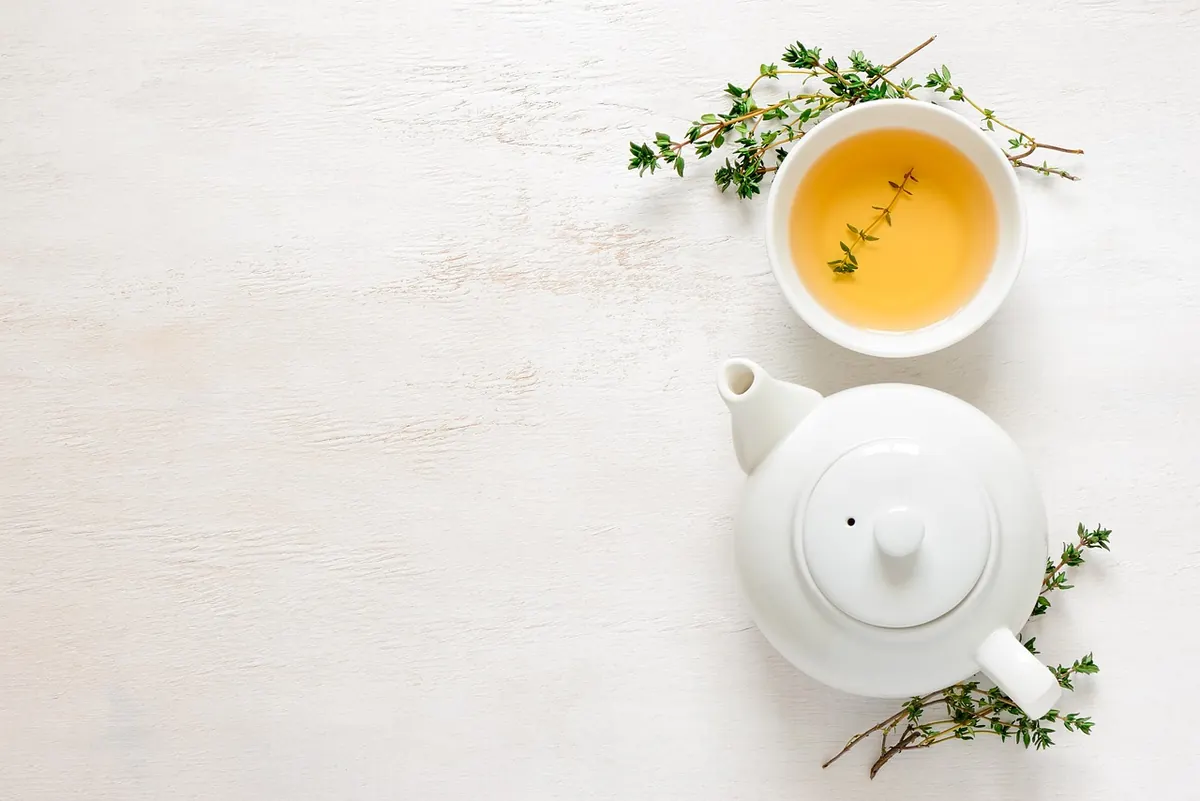
Loose leaf tea has a reputation for being fussy. Walk into a tea shop and you'll find gaiwans, fairness cups, bamboo trays and strainers in four sizes, most of which you don't need. What leaves actually want is room to open, water at roughly the right temperature, and enough time. Everything else is comfort.
Below are the ten items worth owning, roughly in order of how much difference they make. Buy the first three and you can brew good tea tonight. The rest can arrive slowly, as you work out which teas you keep reaching for.
The Ten Items at a Glance
- A stainless steel basket infuser
- A small teapot with a removable basket (if you brew for two)
- A fine-mesh strainer
- A variable-temperature kettle or a simple thermometer
- A water filter jug
- A small digital scale
- A basic timer
- An opaque, airtight tea tin
- A mug or cup you enjoy drinking from
- A notebook or tasting journal (optional, but surprisingly useful)
Something to Hold the Leaves
A stainless steel basket infuser is the piece of equipment that decides whether loose leaf becomes a habit. The good ones sit in a mug with a rim to rest on, leave enough room for leaves to unfurl, and rinse clean in seconds. Look for fine holes — coarse mesh lets rooibos and broken leaf straight through — and a basket deep enough that the tea isn't packed against the base.
If you usually brew for two, a small teapot with a removable basket does the same job and pours more neatly. Screw-together mesh balls work in a pinch, but leaves end up compressed in a cage, and the hinge collects tannins that taste stale by the third cup.
A fine-mesh strainer is the quiet companion to all of this. You'll want it if you ever brew in a gaiwan or an unglazed pot, and it doubles as a safety net for the last gritty pour from a basket. Keep it near the kettle and you'll use it more than you expect.
Heat and Water
Temperature shapes flavour more than any other single variable. Boiling water on a delicate green turns it bitter in a way no amount of shortening the steep can fix. Too-cool water on a rolled oolong leaves it thin and perfumed, like smelling the leaves rather than drinking them. You don't need a laboratory, but you do need a way to hit roughly 80°C for greens, 85–90°C for whites and light oolongs, and 95–100°C for blacks, pu'erhs and most herbals.
A variable-temperature kettle is the easy answer: set it, walk away, come back to water that's ready. If you already own a plain kettle, a simple thermometer costs a few dollars and works fine. The old trick of boiling and then waiting — one minute for every 10°C you want to drop — is better than nothing, but it's unreliable in a cold kitchen and useless when you're impatient.
Water itself matters almost as much as temperature. If your tap water tastes strongly of chlorine or minerals, your tea will too. A basic carbon filter jug solves most of this. Bottled spring water can be lovely, but soft distilled water makes tea taste flat and empty; you want something with a little mineral content to carry the flavour.
Measuring and Timing
Once you can control heat, the next biggest upgrade is consistency. A small digital scale that reads in grams costs less than a decent bag of tea and removes all guesswork. Leaf size varies wildly — a teaspoon of fine Darjeeling weighs about half as much as a teaspoon of chunky oolong — so grams are the only honest measure. Start with 3 grams per 250 ml of water for most teas, then adjust.
A timer is the other half of that equation. Your phone works, but a cheap kitchen timer you can hit with a wet thumb is less annoying. Steeping times are a starting point, not a rule: 2–3 minutes for greens, 3–4 for oolongs, 3–5 for blacks, and 5+ for herbals. Taste at the early end, then decide whether to wait longer.
Storing the Leaves
Tea goes stale quietly. Light, air, heat and moisture all speed that up, which is why the tin your tea came in is often better than the pretty glass jar on your shelf. An opaque, airtight container — a simple metal tin with a double lid works well — keeps leaves fresh for months. Keep it away from the stove and the window, and don't store tea next to coffee or spices unless you enjoy jasmine-scented cumin.
Buy small amounts. A 50-gram bag of tea you love is better than a 250-gram bag that sits half-used for a year. If you're exploring, split your order into a few small pouches and label them with the date you opened each one.
The Mug (and Everything Else)
You need something to drink from, and it should be a pleasure to hold. A thin-rimmed porcelain or glass cup lets you smell the tea as you sip; a thick-walled mug holds heat longer but mutes the aroma. Neither is wrong. Pick one that makes you want to sit down.
After that, the extras are genuinely optional. A fairness cup is useful if you brew gongfu style and want to share evenly. A tea tray catches drips. A dedicated teaspoon is nice, though your scale does the real work. None of these will make bad tea good, and none are required to make good tea excellent.
A Simple Starting Routine
Here's how the first three items earn their keep. Fill your kettle, set it to the right temperature, and weigh your leaves into the basket. Put the basket in your mug, pour the water over the leaves, and start the timer. When time's up, lift the basket out and let it drain. That's it. No ceremony, no specialist vocabulary, no guilt about the tea you forgot to drink yesterday.
From there, adjust one thing at a time. More leaf makes it stronger; less makes it subtler. Hotter water pulls out more bitterness and body; cooler water keeps things delicate. Longer steeping extracts more, but past a certain point you're just drinking tannins. Change one variable, taste, and remember what you did.
Good tea is not about having the right equipment. It's about paying attention to the same three things every time: leaf, water, time.
Most people who stick with loose leaf don't do it because they bought a perfect kit. They do it because they found two or three teas they actually look forward to, and a method simple enough to repeat on a Tuesday morning. Start with a basket, a kettle you can trust, and a tin that keeps the leaves fresh. The rest is just shopping.
Photo: dungthuyvunguyen / Pixabay