October 01, 2026
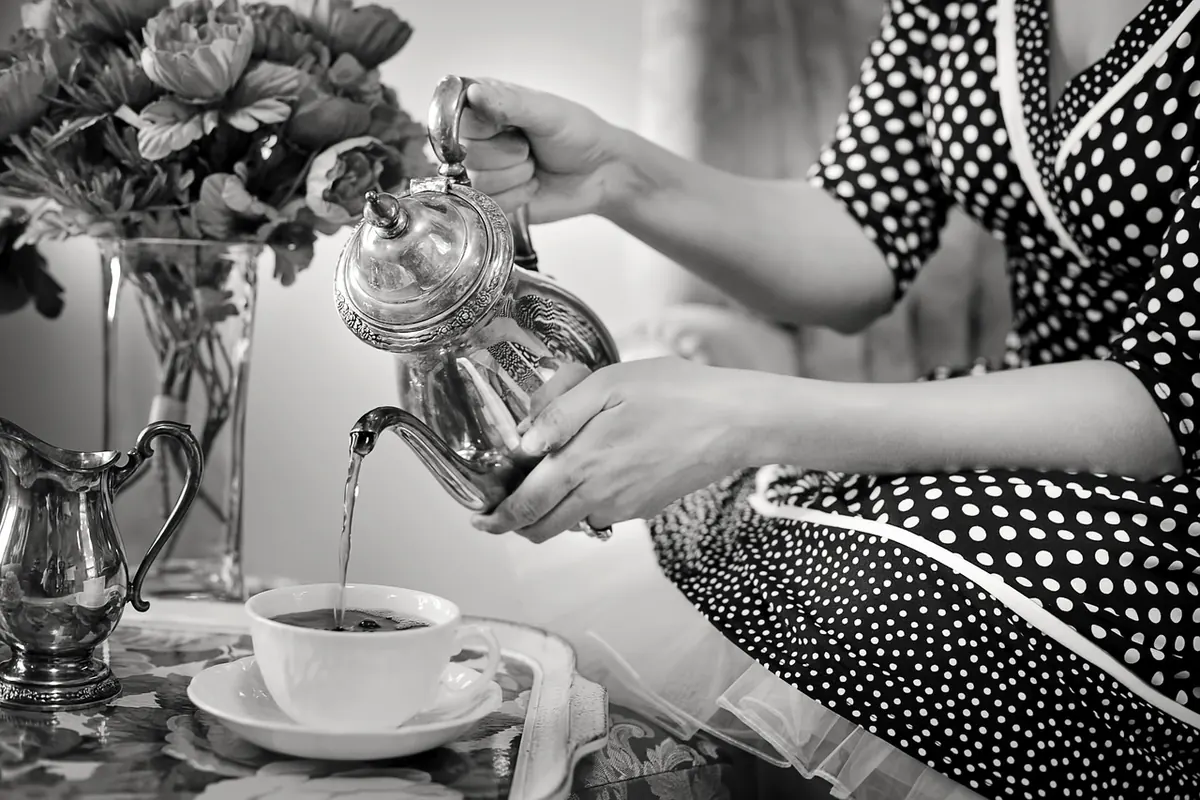
There is a moment about twenty minutes into afternoon tea when the room goes quiet and everyone is concentrating hard on a scone. That, more than the silver stands or the piano in the corner, is what first-timers don't expect: how absorbing it is. London takes this meal seriously, and there is a version of it for almost every budget and mood. What follows is the practical part — what actually arrives at the table, how booking works, and which rules are worth knowing before you sit down.
So What Is Afternoon Tea, Exactly?
It is a light meal served roughly between 3pm and 5pm, built around a pot of tea, finger sandwiches, scones and small cakes. It is not lunch, and it is not a substitute for dinner, though a generous version comes close.
The habit is commonly traced to the 1840s, when Anna, Duchess of Bedford, began asking for tea and cakes to fill the long gap between an early lunch and a late dinner. Her friends copied her, and hotels turned a private habit into a public occasion. Treat the story as origin myth rather than documented history, but the shape of the meal has barely changed since.
Two terms get muddled. A cream tea is smaller: scones, clotted cream, jam and a pot of tea. Afternoon tea adds sandwiches and pastries. High tea sounds grander and isn't — historically it was a working family's early evening meal with hot dishes, eaten at the table rather than from low drawing-room chairs. If you want the tiered stand, book afternoon tea.
What Arrives on the Stand
Most venues follow the same structure, served on a three-tier stand with a plate in front of you.
- Savouries: finger sandwiches with the crusts off — cucumber, smoked salmon, egg mayonnaise, ham, coronation chicken. Expect four to six small pieces.
- Scones: usually one plain and one with fruit, with clotted cream and jam on the side.
- Pastries: a few small desserts such as a tartlet, a choux bun, a mini éclair or a slice of Battenberg.
- Tea: a pot for the table, often refillable, chosen from a list that may run from English Breakfast to first-flush Darjeeling.
Cream first or jam first?
This is a genuine regional argument, not a test you can fail. Devon tradition puts cream on the scone first; Cornwall puts jam first. Both are correct and neither will get you removed from the room. Break pieces off as you eat rather than loading the whole scone at once, and use a fork if one is provided for the cream-heavy pastries.
Choosing the Right Room
The experience varies more by venue than by menu. Grand hotels in Mayfair and around Piccadilly deliver ceremony: linen, a pianist, staff who appear the moment your cup empties. Department stores such as Fortnum & Mason offer a similar sense of occasion with easier access. Historic tearooms and small independents tend to be warmer, cheaper and less formal. Museum cafés and garden rooms sit somewhere in between, and a few places lean into themes — botanical, literary, slightly theatrical.
Ask yourself what you actually want. If it is a celebration, book the grand room. If it is conversation with a friend, a busy dining room with a time limit may work against you. Check two things on the booking page before you commit: the dress code, and whether the sitting is capped — many venues allow around ninety minutes to two hours, and that detail matters if you are catching a train afterwards.
The Etiquette That Actually Matters
Most of the rules are relaxed, and nobody is grading you. The ones worth following are mostly about not being noisy or awkward.
- Napkin on your lap when you sit; loosely folded on the table when you finish, or on your chair if you step away.
- Eat sandwiches and scones with your fingers. Cakes and anything with a lot of cream are easier with the fork provided.
- Stir gently. Clinking the spoon against the cup is the one sound that carries across a quiet room.
- Hold the cup by the handle. No extended pinky — it is not a signal of refinement, just an awkward hand.
- Keep the spoon out of the cup. If your tea is loose-leaf, hold the strainer over the cup, pour through it, and rest it on its dish.
- Work from the bottom tier upwards, and take from the tier nearest you if the stand is shared.
- Dunking is fine in a casual tearoom and frowned upon in a formal hotel. Read the room.
Most of the etiquette is just consideration with a teaspoon: don't clink, don't shout across the table, and don't take the last scone without asking.
Booking, Timing and Money
Book directly with the venue rather than through a resale site, and book earlier than you think you need to — weekends, school holidays and December fill up first. Weekday sittings are quieter and often easier to get at short notice. Arrive on time; if you are running late, call, because a fixed sitting can be shortened rather than moved.
Prices vary widely by venue and season, so check the current menu online rather than relying on anything you read secondhand. Watch for what sits outside the headline price: a glass of champagne, extra pastries, or a service charge that is already included are the usual reasons a bill looks different from the number you saw when booking. Eat a light lunch beforehand. This is a real meal, and arriving hungry is fine but arriving stuffed is a waste.
Tea Choices, Allergies and Non-Tea Drinkers
If the tea list is long, pick by what you want from the cup. Assam or English Breakfast for something robust that takes milk. Earl Grey for bergamot. Darjeeling or a first flush for something lighter and more delicate. Jasmine or oolong for fragrance without milk. Herbal and rooibos blends are almost always available if you are avoiding caffeine. Ask for hot water top-ups; most places bring them without complaint.
Tell the venue about allergies and dietary needs when you book, not when you sit down. Gluten-free, vegan and nut-free stands are common, but kitchens usually need notice to assemble them. Coffee is normally available for anyone who doesn't drink tea, and many venues run a children's version with smaller portions and squash instead of a pot.
A Short Checklist Before You Go
- Book direct, and mention any allergies or dietary requirements in the booking notes.
- Check the dress code and the length of the sitting.
- Confirm what the price includes — refills, sparkling wine, service charge.
- Eat a light breakfast and lunch, and keep the evening free of a big dinner.
- Leave the phone in your bag. The room is the point.
Pick the venue you will actually enjoy rather than the one with the loudest reputation, and the whole thing becomes easy. Order the tea you like, take your time over the scones, and let the afternoon run a little longer than planned.
Photo: JillWellington / Pixabay