September 20, 2026
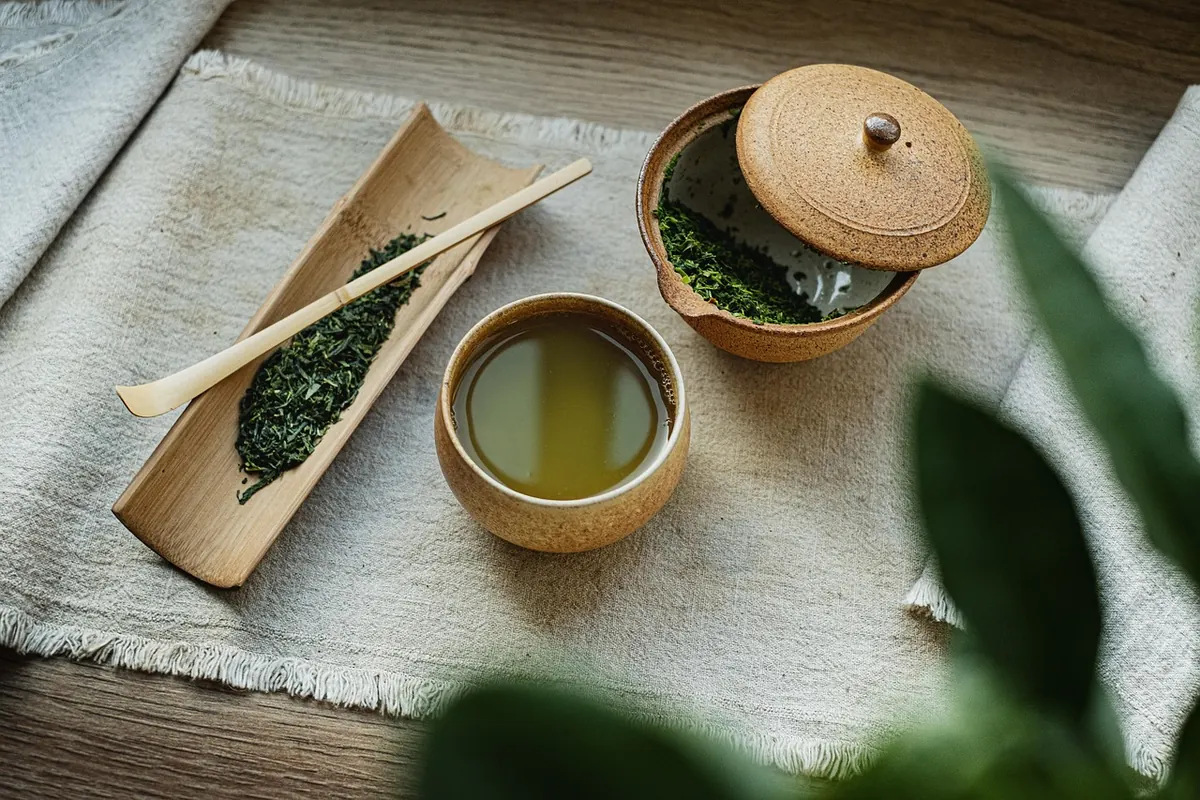
Put a cup of Japanese sencha beside a cup of Chinese Dragon Well and the difference is unmistakable. One is bright and green and faintly marine; the other is soft, chestnut-sweet and almost buttery. Both are green teas, both are friendly daily drinkers, and neither is hard to brew well once you know the two or three numbers that matter. The choice comes down to what you want from the cup and how much room you have in your kitchen for two very different routines.
What Each Tea Actually Is
Sencha is Japan's workhorse green tea, the one most people there drink every day. After picking, the leaves are steamed within hours, then rolled and dried into fine, needle-like shapes. That steaming step is short but decisive: it stops oxidation and locks in the fresh, vegetal character that defines the style. You'll find it in grades from everyday to premium, with well-known growing regions including Shizuoka and Kagoshima.
Dragon Well, or Longjing, is grown around Hangzhou in Zhejiang province and made very differently. The leaves are pan-fired, traditionally by hand in a hot wok, pressed and turned until they flatten into smooth, sword-shaped blades. Heat rather than steam shapes both the leaf and the flavor. Where sencha tastes like something green and growing, Dragon Well tastes like something gently toasted.
Flavor and Aroma, Side by Side
Sencha
Dry sencha smells like cut grass and steamed edamame, sometimes with a seaweed edge. In the cup it's brisk, savory and clean, with a firm structure and a slightly astringent finish that tightens the mouth for a second before sweetness comes back. Good sencha has real sweetness under that bite, and the balance between the two is what you're paying for. Brew it too hot and the balance tips: the astringency takes over and the cup turns bitter and flat.
Dragon Well
Dragon Well is quieter. The dry leaf smells of toasted rice, chestnut and sometimes a faint floral note like orchid. The liquor is pale green-gold, mellow and round, with low bitterness and a long sweet finish. It's the green tea to pour for someone who says they don't like green tea, because there's nothing sharp in it to object to. What it lacks in drama it makes up for in how easy it is to drink, cup after cup.
Brewing Sencha Without Bitterness
The single biggest mistake with sencha is water that's too hot. The leaves are delicate, and boiling water pulls out tannins fast. Keep to these numbers and you'll be close to a good cup:
- Water: 70–80°C (160–175°F). Boil, then let the kettle rest a few minutes, or pour into a cool cup first.
- Leaf: roughly 3 g, a heaped teaspoon, per 200 ml of water.
- Time: 60–90 seconds for the first infusion.
- Vessel: a small teapot or kyusu with a fine mesh, since sencha leaf is fine and slips through wide strainers.
- Second infusion: hotter water, about 85°C, and a shorter steep of 30–45 seconds.
Pour every last drop out of the pot between infusions. Tea left sitting on wet leaves keeps steeping and turns bitter. Don't stir the leaves, either — they're already working.
Brewing Dragon Well
Dragon Well is more forgiving of temperature but rewards attention to the leaf. Use water at 80–85°C, about 3 g per 200 ml, and steep for two to three minutes. A tall glass works beautifully here, because you can watch the flat blades unfurl and drift down. A gaiwan is the other classic choice.
You can also brew it "grandpa style": leaves straight into a mug, water on top, and top-ups as you drink. Because the blades are flat and the tea is low in bitterness, it holds up to that treatment better than most greens. Expect two or three worthwhile infusions from good leaf, each slightly sweeter and softer than the last.
Which One Fits the Moment?
Both are everyday teas, but they suit different days and different moods.
- Choose sencha when you want a wake-up cup with backbone, when you're drinking tea alongside food, or when you want a clean, green, faintly savory lift in the afternoon.
- Choose Dragon Well when you want something gentle to sip slowly, when you're brewing in a glass while working, or when you're serving guests who prefer mild flavors.
- Choose sencha if you already enjoy matcha, edamame, or the green-tea notes in Japanese desserts.
- Choose Dragon Well if you like roasted nuts, toasted rice or oolong, and want a green tea with a foot in that territory.
Pairing and Everyday Use
Sencha's briskness cuts through richer food: grilled fish, rice with pickles, fried snacks, anything with a little oil on it. It's also excellent iced — brew it double strength, cool it quickly, and pour over ice. Dragon Well is happier with lighter things: plain rice, steamed vegetables, mild pastries, a square of dark chocolate. Its sweetness makes it a good after-dinner cup, and it stays pleasant as it cools, which is more than can be said for many greens.
Buying, Storing, and Picking Your First Bag
Green tea isn't a tea to buy in bulk and forget. It fades, and it fades faster than black tea. Buy amounts you'll finish within a couple of months, look for a harvest date rather than a vague "best before," and favor sellers who describe origin and picking season. Store it in an airtight container away from light, heat and strong smells — the back of a cupboard, not the shelf above the stove. If you're new to loose leaf, a 50 g bag is a fair way to find out whether you like a tea before committing to more.
One practical note: both teas contain caffeine. If you're pregnant, taking medication, or sensitive to caffeine, it's worth checking with a healthcare professional about how much is right for you.
Start With One, Keep Both
If you only want one green tea on the shelf, choose by the flavors you already like: savory and green points to sencha, toasty and sweet points to Dragon Well. But these two complement each other unusually well, and keeping both isn't expensive. A tin of each gives you a bright morning cup and a soft afternoon one, and it will teach you more about green tea in a month than any amount of reading. Buy small, brew cool, and drink it before it fades.
Photo: mirkostoedter / Pixabay